



Osteochondrosis of the spine is a disease in which the structure and functionality of the intervertebral discs and cartilage are disrupted.It is accompanied by regular pain, because the affected tissues must ensure the mobility and flexibility of the spine.According to ICD 10, it belongs to the group of diseases of the musculoskeletal system, code – M42.The essence of the disease is compression of the discs during stress on the spine, which leads to their destruction or deformation.This leads to damage to the nerve endings, resulting in pain and swelling.An advanced form of spinal osteochondrosis can lead to disability.
Causes of development of spinal osteochondrosis
What kind of disease is this and where does it come from?Most often, this disease appears in people after 40 years of age.This is due to age-related disorders of salt metabolism and dehydration of the body.Factors that provoke the development of the disease:
- stooping, leading to curvature of the spine;
- undeveloped back muscles;
- being in an uncomfortable position for a long period of time;
- regularly carrying heavy objects;
- sedentary lifestyle associated with the specifics of work;
- metabolic disorders in the body;
- genetic predisposition;
- negative effects of chemicals on the body;
- past infectious diseases;
- nervous overstrain, stress with neurological manifestations;
- hormonal imbalances in the body;
- professional sports associated with strength training;
- spinal injuries;
- sudden change of position.
Important to know!Unfavorable climatic conditions and periodic hypothermia can contribute to the development of the disease!Therefore, you should protect yourself as much as possible from these factors.

General symptoms of the disease
Osteochondrosis is always accompanied by pain and numbness.The following ailments may also occur:
- sharp, cutting, shooting pain;
- aching limbs;
- dizziness, sometimes loss of consciousness;
- dryness and exfoliation of the skin;
- heavy sweating;
- low temperature of the extremities.
Depending on which part of the spine the disease develops, other specific symptoms occur.
Osteochondrosis of the cervical spine: signs
This is the most dangerous place to be hit.After all, it is in the cervical spine that the artery passes, which contributes to the normal functioning of the brain.Due to the onset of the disease, this artery is compressed and impedes blood supply to the brain.Because of this, the patient experiences severe headaches, dizziness, and general weakness of the body.Concentration decreases and the ability to remember deteriorates.

It is accompanied by pain in the back of the neck, under the shoulder blades, in the forearm, and sometimes the upper limbs go numb.
Osteochondrosis of the thoracic region
This type of disease is quite rare, most often together with damage to other parts of the spine.May be accompanied by the following ailments:
- pain between the shoulder blades;
- sharp pain when taking a deep breath;
- weakness and numbness of the fingers.
There are situations in which a disease in the thoracic region can cause discomfort in the heart area.
Osteochondrosis of the lumbar region
The most common type of disease, because the lower back takes on the maximum load throughout a person’s life.May cause spinal osteochondrosis with radicular syndrome.This disease is characterized by pinched nerve roots in the lumbar region, is accompanied by a variety of pain, and can radiate to the thigh and buttocks.

During the developmental period, the normal functioning of the lower extremities is disrupted and is accompanied by the following symptoms:
- tingling in the back of the leg;
- weakness of the lower extremities;
- numbness of toes.
Disorders of the genitourinary system and intestinal functionality may also occur.
Important to remember!At the first symptoms, you should seek help from a specialist!After all, an advanced form of the disease in a certain department can develop polysegmental osteochondrosis of the spine, which involves affecting all departments at once.
Stages of spinal osteochondrosis
In modern medicine there are 4 stages of the disease:
- Osteochondrosis of the spine, 1st degree.At this stage, the disease is quite difficult to detect.There are no obvious signs.Only general ailments appear, slight weakness in the back with uncomfortable sensations, which are attributed to overwork.The disease is sluggish and is usually detected randomly during a routine examination.
- Osteochondrosis of the spine, 2nd degree.Painful symptoms appear due to the initial process of tissue destruction.If you seek help from specialists in time, this degree of the disease can be cured quite quickly with medications.
- Osteochondrosis of the spine, grade 3.An irreversible process of deformation of cartilage tissue begins, which causes the development of scoliosis, lordosis, and the appearance of a hump.Treatment at this stage will improve the condition and minimize curvature.
- Osteochondrosis of the spine, grade 4.At this final stage, irreversible processes of destruction of spinal tissue occur in a person.It becomes very difficult for the patient to move, this brings him excruciating pain.
Important to know!Stage 4 of the disease leads the patient to disability!Therefore, at the first manifestations, you need to consult a doctor and begin timely treatment.
Diagnosis of the disease
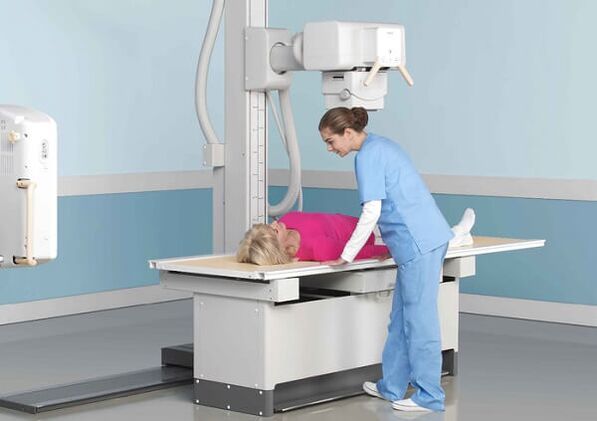
If the patient has any complaints, it is necessary to contact a specialist.To establish a diagnosis, you should make an appointment with a neurologist or traumatologist, who, after a detailed survey and examination, will refer you to undergo the following tests:
- magnetic resonance imaging;
- Ultrasound;
- electrocardiogram;
- radiography;
- general blood and urine analysis.
Based on the research, the doctor makes a conclusion and prescribes effective treatment, depending on the stage of the disease.
Treatment of spinal osteochondrosis
There are many ways in which you can influence the course of the disease.They are aimed not only at relieving discomfort, but also at complete recovery.The most effective types of treatment are:
Drug treatment
They are aimed at relieving painful sensations, relieving inflammatory processes, restoring cartilage tissue, and preventing the dynamic development of the disease.Taking vitamins during this period is very important.
Chondroprotectors
The therapeutic effect does not occur immediately, so a course is prescribed, the duration of which is about 2 months.
Injections
Their use is aimed at eliminating pain; injections have no therapeutic effect.

Ointment
Using various ointments, creams or gels helps get rid of inflammatory processes.They also have an analgesic and warming effect.
Acupuncture
To carry out such procedures, the patient is referred to a chiropractor.After all, only an experienced specialist can carry out this manipulation efficiently.Acupuncture helps relieve even unbearable excruciating pain, has a beneficial effect on the nervous system, and normalizes hormonal levels.
Cupping massage
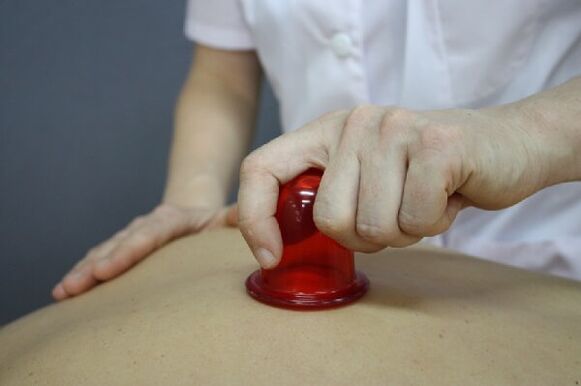
The essence of the procedure is to apply a vacuum to the skin, which helps restore blood flow, remove toxins and improve the condition of the body as a whole.Effectively relieves pain.This type of massage cannot be done on the spine, mammary glands, heart and kidneys.Contraindications to the use of this procedure: patients with skin rashes, heart disease and during pregnancy.
- Magnetotherapy.Used as an additional method in the treatment of osteochondrosis.Helps reduce the inflammatory process, relieves swelling, and tones the back muscles.
- Therapeutic gymnastics.It is aimed at restoring spinal mobility, strengthening back muscles, and normalizing metabolism.It is very important not to overexert yourself during exercise.
- Massage.Required to relieve pain and strengthen muscles.
Important to remember!Regardless of the stage of osteochondrosis, treatment methods are prescribed only by a specialist!He can choose either one method or complex treatment.
Treatment with folk remedies
To combat the disease, you can use traditional medicine recipes that can be easily prepared at home.For this, only natural ingredients are used.
Garlic
To prepare the medicine you will need 200 g of chopped garlic, which should be poured with 0.5 liters of vodka or alcohol.Leave in a cool, dark place for 1 week, shaking every day.After time, use as a back rub.Helps relieve pain.

Bay leaf and juniper
You should take 1 tsp.original ingredients, grind to a powder consistency.Grind with softened unsalted butter in the amount of 100 g. Apply the resulting ointment to the affected areas 3 times a day.
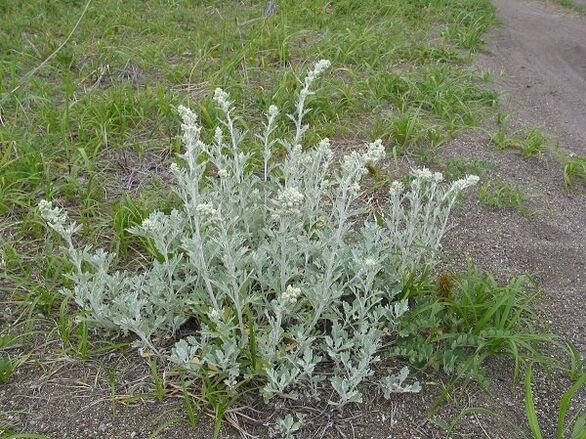
Sagebrush
You will need 1 tbsp.l.wormwood, pour 1 cup of boiling water.Leave for 3 hours.Strain the resulting broth and rub your back before going to bed.
Important to remember!Regardless of which recipe is chosen for treatment, you must consult a doctor!He may consider using homemade medications as an additional treatment option.
The army and spinal osteochondrosis
Do they take you into the army after such a diagnosis is made?In order for a young man not to serve in the army, the following points must be present:
- intervertebral osteochondrosis;
- strong, shooting pain during physical activity;
- obvious signs of spinal deformity;
Important to know!Painful sensations should be confirmed by regularly seeking medical help!Only in this situation the young man is not fit to serve in the army.
Complications of the disease
Since the spine is the basis for the musculoskeletal system, osteochondrosis can cause irreparable harm to health.Consequences that the disease can lead to:
- herniated discs;
- curvature of the spine;
- vertebral displacement.
This can lead to disruption of organ function, a decrease in the immune system, which leads to new serious diseases.
Important to know!Ignoring osteochondrosis leads to disability!Therefore, when the disease appears, therapy should be started immediately.
Prevention of spinal osteochondrosis
In order to avoid the development of the disease, the following preventive measures should be taken:
- Diet.This is especially true for older people.It is necessary to minimize the consumption of spicy, fatty, canned and smoked foods.You should also avoid excessive use of salt, coffee, chocolate, and alcoholic beverages.Proper nutrition helps remove salts from the body.
- Daily morning exercises.Light exercises will help keep the body in good shape and strengthen the muscular system.
- Orthopedic mattress.For relaxation, you should purchase it, because healthy sleep and complete relaxation reduce the possibility of developing the disease to a minimum.
Particular attention should be paid to the position in which you need to sleep.The most comfortable position for the spine is the embryo.In this case, he completely relaxes.It is better to use a small pillow.In these ways you can protect your spine from excessive stress and give it the required rest.